
 English
 русский
 Español
Arranque suave Voltaje 20V (CC) Capacidad de la batería 2,0 Ah ...
Leer más-
Sierra eléctrica para carpintería
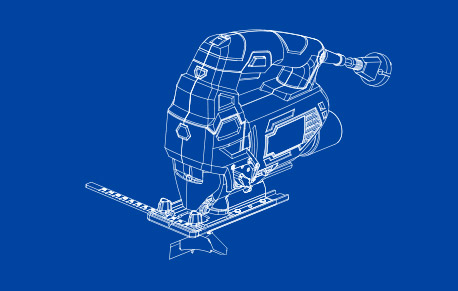
-
Sierra oscilante multifuncional
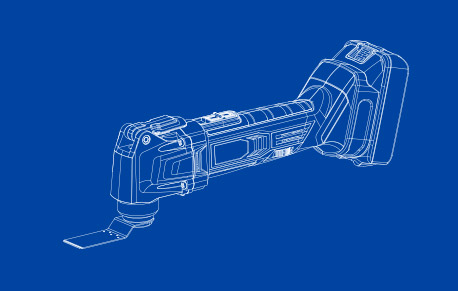
-
Taladro eléctrico
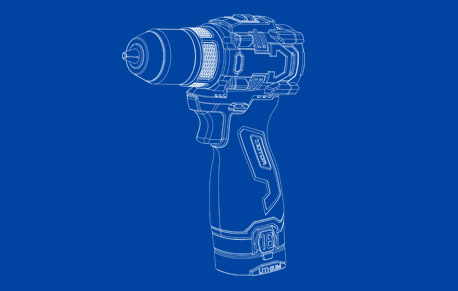
-
Taladro de martillo giratorio
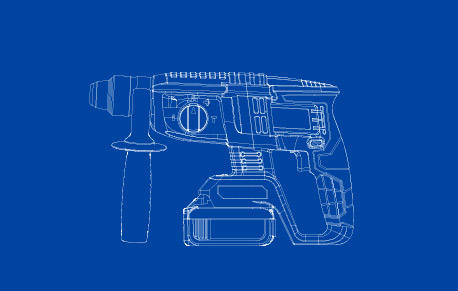
-
Llave de impacto
-
Destornillador eléctrico
-
Molinillo angular
-
Lavadora a presión de mano
-
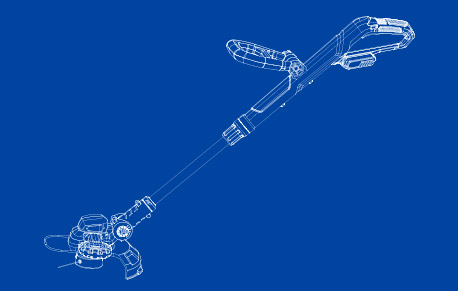
Cortadora de césped de mano
-
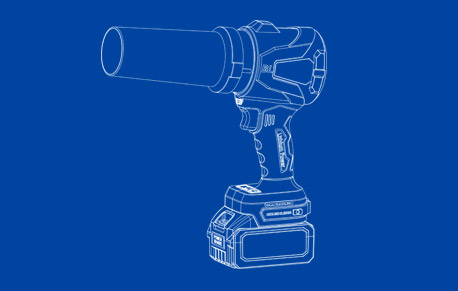
Soplador turbojet de litio
-
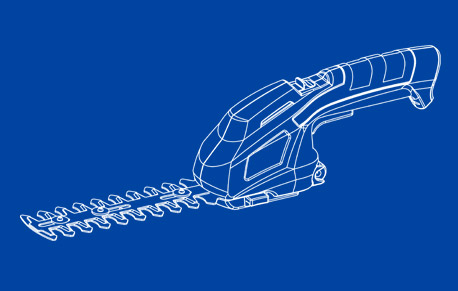
Tijeras de podar eléctricas
-
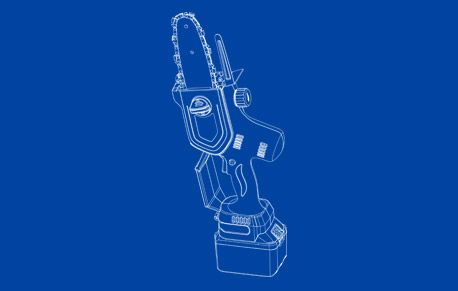
Sierra de cadena de litio
-
Cultivador de cultivador portátil
-
Dispositivos de riego de plantas
-
Bomba de aire

Autor: administración Fecha: 26-09-03
Corded Drill vs Cordless Drill: A Practical Buyer's Guide to Power and Runtime
Corded Drill vs Cordless Drill: The Difference That Actually Matters
One draws its strength from the wall and never asks for a pause. The other rides on your hip, from the workbench to the far corner of the garden. Both make holes — only one matches the way most people actually work.
Picture a Saturday morning with two jobs queued up: 150 deck screws into pressure-treated boards, then a dozen 10 mm anchor holes along a fence line far from the nearest outlet. The first task quietly favors the wall plug. The second one makes the decision for you.
The short answer comes before any spec sheet: for the overwhelming majority of buyers, a 20V cordless drill — ideally brushless, with a two-speed gearbox — is the right call. It handles assembly, furniture builds, decking, fixings and most renovation work without a cord in the way. A corded drill still earns its keep on the bench, in long continuous boring and on the tightest budgets, but it has become the specialist's tool rather than the default.
Two Power Sources, Two Philosophies
A corded drill trades freedom for consistency. Plug it in and it delivers the same output in hour four as it did in minute one, with no battery to charge and no pack to swap. A cordless drill trades some of that consistency for mobility: every spec that matters — weight, balance, runtime, cost — revolves around the lithium-ion pack clamped into the handle.
| Factor | Corded drill | Cordless drill |
|---|---|---|
| Power source | Mains supply, effectively unlimited | Lithium-ion pack, typically on 8V to 20V platforms |
| Torque behavior | Sustained output; strongest for long, deep holes | Strong across most bit sizes; two-speed gears widen the range |
| Practical runtime limit | The length and gauge of the extension cord | Amp-hours on hand and the number of spare packs |
| Weight and balance | Lighter tool body, but cord drag to manage | Heavier overall, with the pack lowering the center of gravity |
| Typical best fit | Bench work, repetitive boring, budget toolkits | Site work, garden tasks, ladders and anywhere without outlets |
Power and Torque: Reading the Spec Sheet Honestly
Corded models hold two genuine advantages. They sustain torque without fading, and their top no-load speeds tend to run higher, which helps when a large bit is feeding through dense material. If your work means deep holes in hardwood or long auger bits all afternoon, that consistency is engineering, not nostalgia.
The cordless side has closed most of the gap. A modern 20V brushless motor converts more of the pack's energy into torque and runs cooler than an older brushed design, while a two-speed gearbox lets one tool behave like two: a low gear for driving and large holes, a high gear up to roughly 1,800 rpm for smaller bits. For twist bits up to about 13 mm in softwood, a quality 20V drill feels nearly indistinguishable from its corded counterpart.
The voltage printed on a battery tells you the height of the platform, not the strength of the tool. The gearbox, the clutch and the chuck decide how that power actually reaches the bit.
So when comparing models, look past the voltage sticker and check the details that govern everyday results:
- Chuck size: 10 mm (3/8 in.) covers most household bits; 13 mm (1/2 in.) accepts larger spade bits and hole saws.
- Clutch stages: more settings mean finer control — the difference between a seated screw and a stripped one.
- Brushless versus brushed: brushless costs more up front and returns longer runtime and motor life; the premium pays back under heavy use.
- Two-speed gearbox: the most underrated feature for anyone who both drives screws and drills holes.
The market itself keeps voting for the battery. Packs grow more capable with every generation, electronics manage torque more intelligently, and the industry's move toward wirelessization and intelligence in power tools — mapped in this overview of where the trend is heading — shows no sign of slowing.
Runtime, Weight and the Cord Tax
A corded drill stops only when the circuit does. A cordless drill's runtime is a fuel-tank question, measured in amp-hours (Ah). A 2.0Ah pack suits light assembly; a 4.0Ah pack roughly doubles the work per charge and earns its extra weight on deck days. Anyone working seriously simply rotates two packs through the charger.
Battery math, quickly: amp-hours measure capacity, not power. A 20V 4.0Ah pack stores about twice the energy of a 20V 2.0Ah pack, and the added grams are trivial next to the added runtime — the easiest upgrade you can make.
Weight works differently on each side. A cordless drill carries its battery at the base of the handle, which pulls the balance point down toward your grip; the tool feels heavier but steadier. A corded body weighs less, yet its cord snags on joists, drags across shoulders on ladders and demands constant routing. Regular crews have a name for that small, permanent inconvenience: the cord tax.
Cord safety is not optional: inspect cords and plugs before every session, keep connections off damp ground and use a ground-fault-protected outlet for outdoor work. A damaged extension cord turns a dependable tool into a genuine hazard.
Cost of Ownership Beyond the Sticker
On price tags alone, corded wins — you are buying a motor and a plug rather than a motor, a set of cells, a charger and a case. The honest comparison is total cost over years. A cordless kit prices in the battery platform, and that platform is an asset: once you own the packs and the charger, every later tool that shares them costs less, and replacement packs remain the only recurring line item to plan for.
Already own a battery platform? Buy the bare tool. Skipping the charger and pack you already have is the fastest way to cut the cost of a new cordless drill, often by a third or more.
Motor type shapes long-term cost, too. Brushed motors are cheaper to build and eventually wear out; brushless motors run cooler and typically outlast the tool's other components, which is why they dominate the professional tier of most product ranges.
Matching the Drill to the Job
Voltage platforms exist because jobs differ. The sensible way to buy is to size the tool to the task you repeat most, not to the rarest one you might attempt.
Light assembly and home repair
Flat-pack furniture, curtain rails, hinge screws and wall plugs rarely ask for more than a compact, single-speed tool. An 8V gun drill keeps weight down, stores in a drawer and covers hours of screwdriving without wrist fatigue.
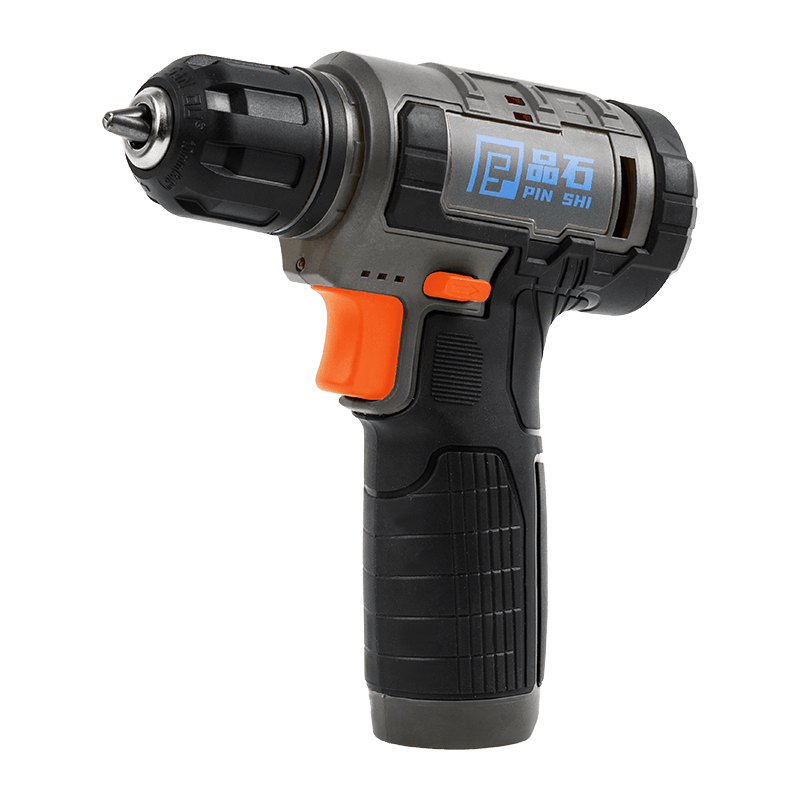 8V Single Speed Gun Drill Weighing just 1.65 lbs with a variable speed trigger, forward/reverse lock and LED light, this compact drill suits the light screwdriving and furniture assembly tasks described, offering easy one-handed use without wrist fatigue. View Product →
 Everyday DIY and furniture builds
Once projects mix drilling with driving — shelving, garden planters, repairs around the house — a 16V cordless drill is the sweet spot: enough torque for 10 to 13 mm holes, still light enough to hold overhead through a weekend afternoon.
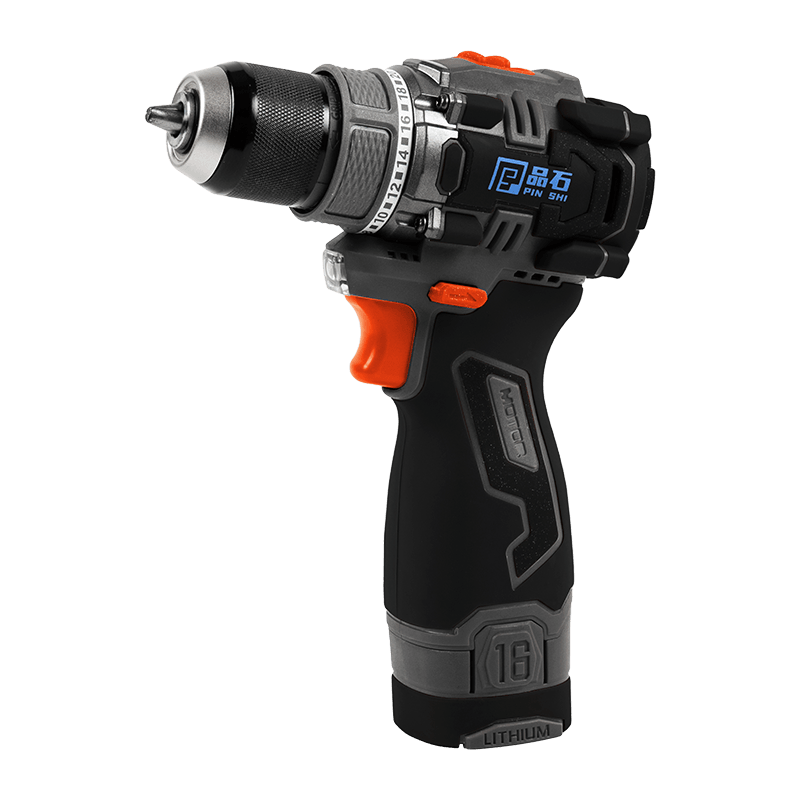 16V Cordless Drill with 20 1 Torque Settings With 55 N.m max torque, two speeds up to 1800 RPM and a lightweight 2.31 lb body, this drill fits the mid-range household projects like shelving and garden planters, handling 10-13 mm holes while staying comfortable overhead. View Product →
 Construction, renovation and repeat driving
Framing, decking and all-day screwdriving justify the top of the range. A 20V brushless double-speed impact drill supplies the torque, the runtime and the low gear for large bits — and its pack is shared across the rest of a 20V collection, from circular saws to angle grinders.
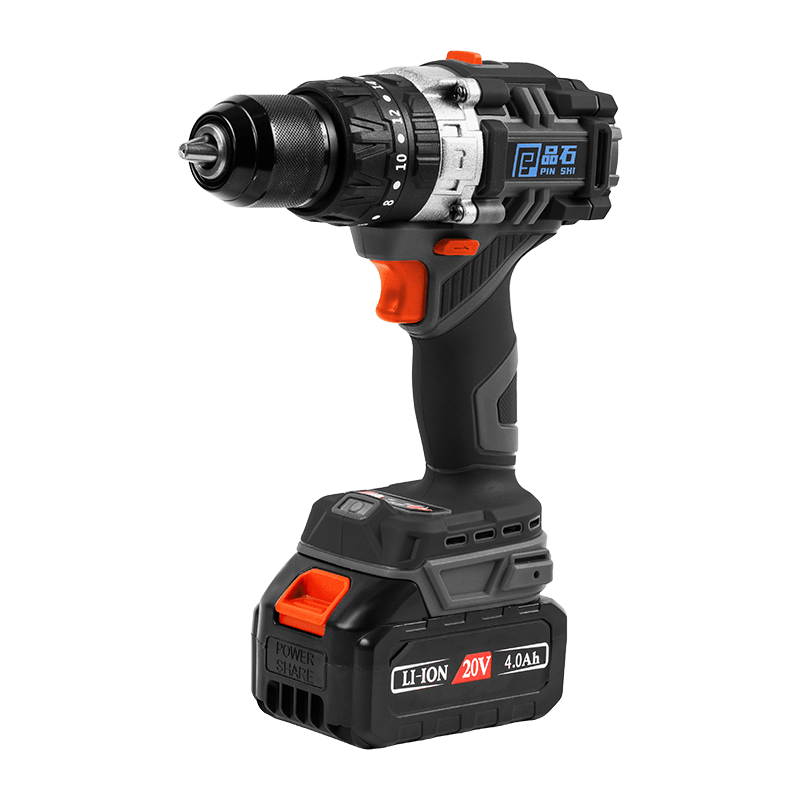 20V Brushless Double Speed Impact Drill A brushless motor, 90 N.m max torque, 13 mm metal chuck and two speeds up to 1900 RPM make this drill suited to demanding framing and decking work, sharing its 20V battery pack with the wider tool collection. View Product →
 Concrete and brick are the exception: a standard drill, corded or cordless, will labor and overheat in masonry. Use a hammer-mode drill or a dedicated rotary hammer with the right bits before you burn out a tool that was never built for the job.
A Note for Buyers and Channel Partners
For importers, retailers and procurement teams, the corded-versus-cordless question is really a portfolio question. A balanced range pairs entry-level platforms for household users with 20V brushed and brushless lines for professionals, so a single battery system can carry a customer from a first screwdriver to full site work. Compliance carries equal weight: for European market access, confirm GS, CE and EMC certification on any drill you source, and ask manufacturers how their voltage platforms, spare-battery supply and motor options are structured — the way Ningbo Pinshi Electromechanical organizes its full power tool range from 8V to 20V is one example of that ladder in practice.
The Bottom Line
Corded drills lost the default position for good reasons: batteries caught up on torque, brushless motors stretched runtime, and freedom from the outlet proved worth the price. If your work is anchored to a bench, your holes are long and deep or your budget is fixed, a corded drill remains honest value as a deliberate second tool. For nearly everyone else, a 20V cordless drill with a two-speed gearbox — brushless where the budget allows — is the purchase that keeps paying off, project after project, outlet or no outlet.
- List the tasks you actually repeat, and size the voltage to those, not to the rarest job.
- Prefer a two-speed gearbox and an adjustable clutch over extra voltage on paper.
- Choose brushless for heavy daily use, brushed for occasional weekend work.
- Stay on one battery platform and add spare packs before adding new tools.
- Keep a corded backup only when bench work or budget genuinely demands it.

-
Comentario
Productos relacionados
-
-
Voltaje 20V (CC) Capacidad de la batería 1,5 Ah/2,0 Ah Tipo de motor ...
Leer más -
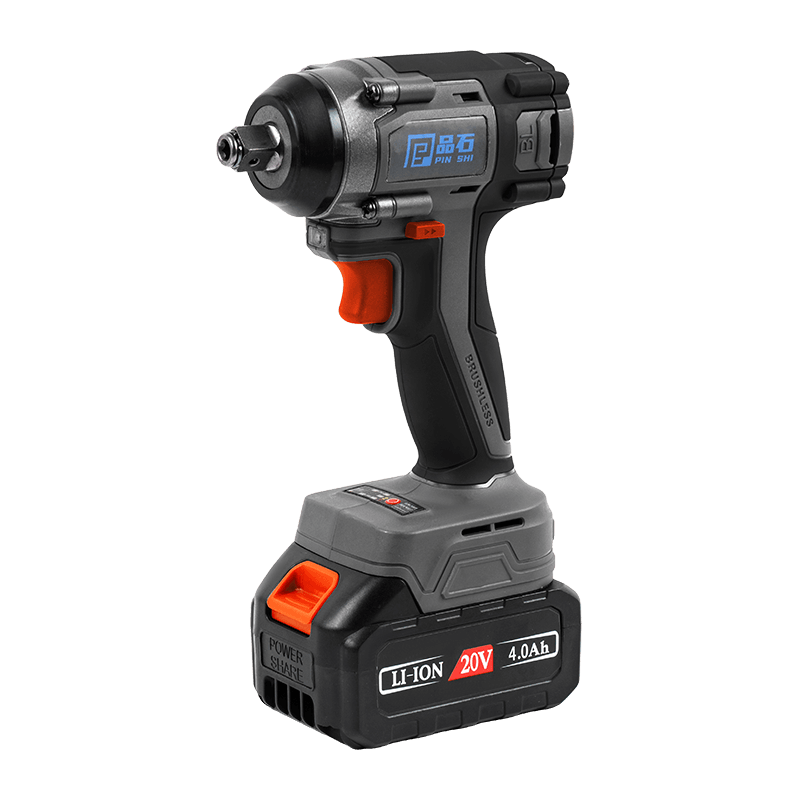
Voltaje 20V (CC) Capacidad de la batería 2,0 Ah/3,0 Ah Tipo de motor ...
Leer más -
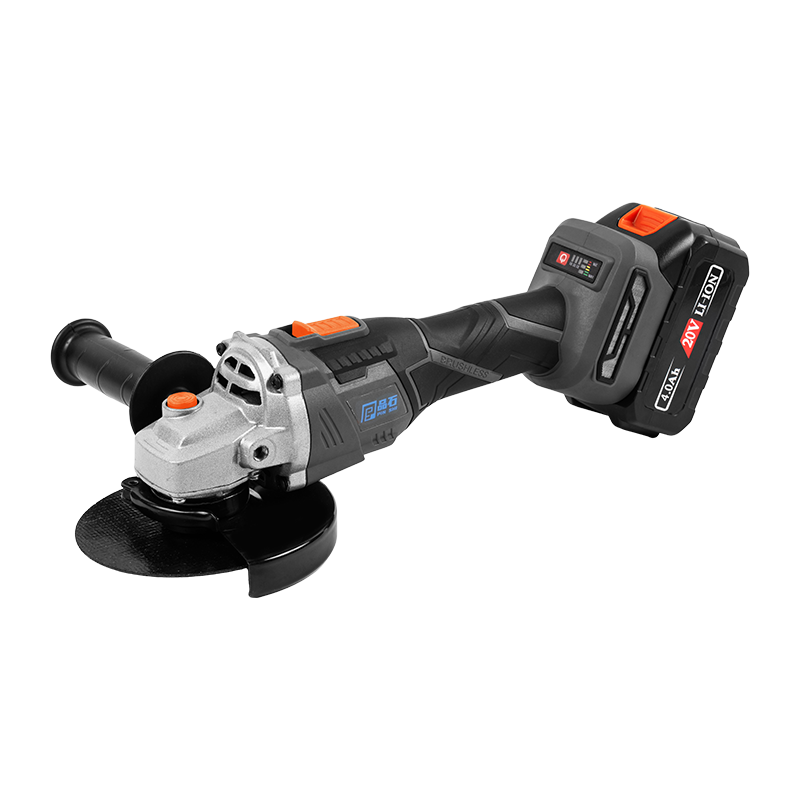
Voltaje 20V (CC) Capacidad de la batería 3,0 Ah/4,0 Ah Tipo de motor ...
Leer más -
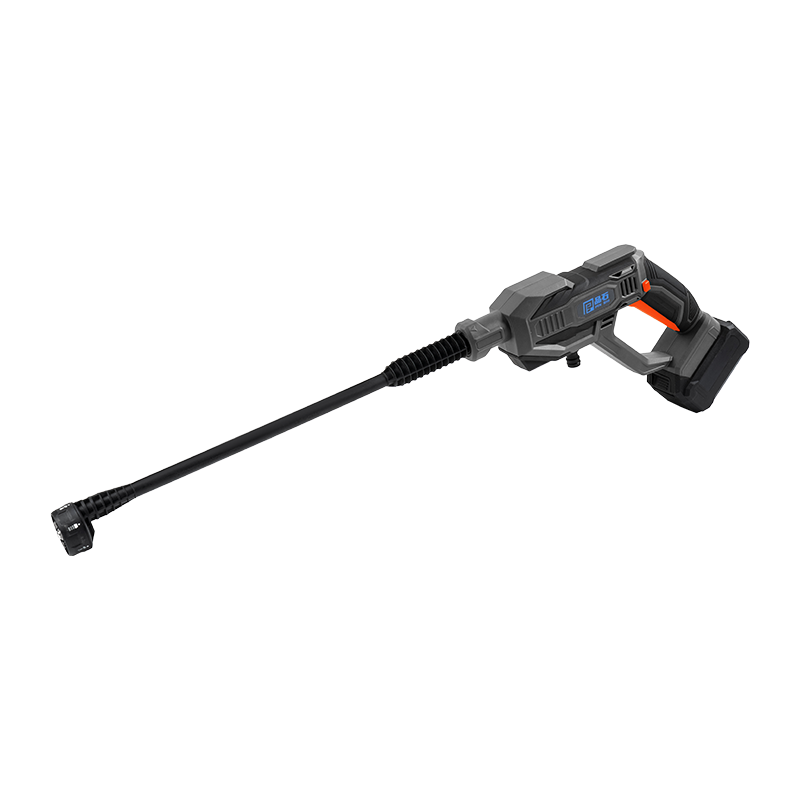
Voltaje 20V (CC) Capacidad de la batería 2,0 Ah/3,0 Ah/4,0 Ah Tipo de motor...
Leer más -
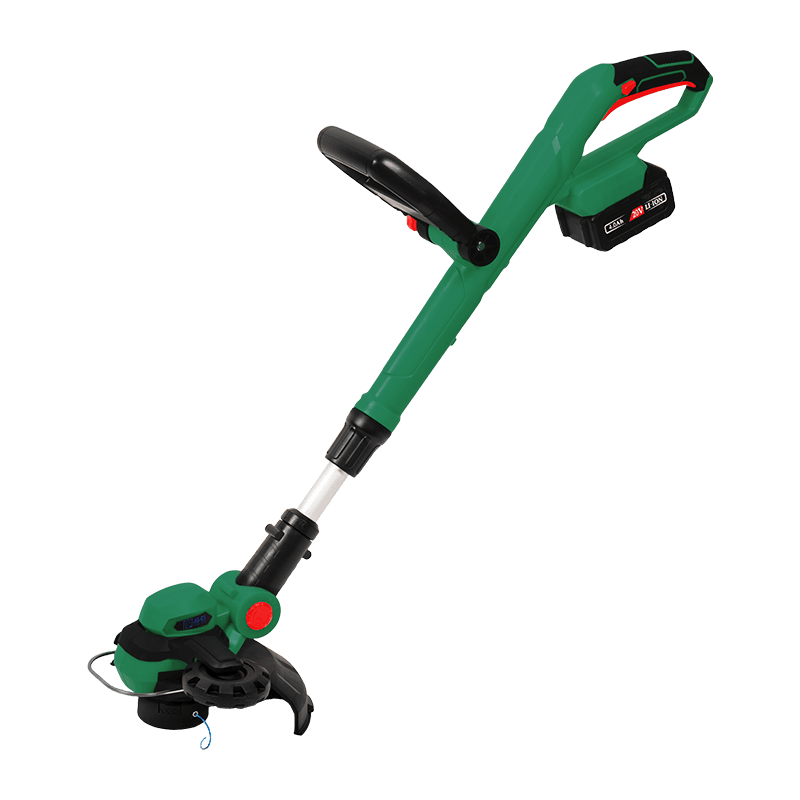
Voltaje 20V (CC) Capacidad de la batería 2,0 Ah/3,0 Ah/4,0 Ah Tipo de motor...
Leer más -
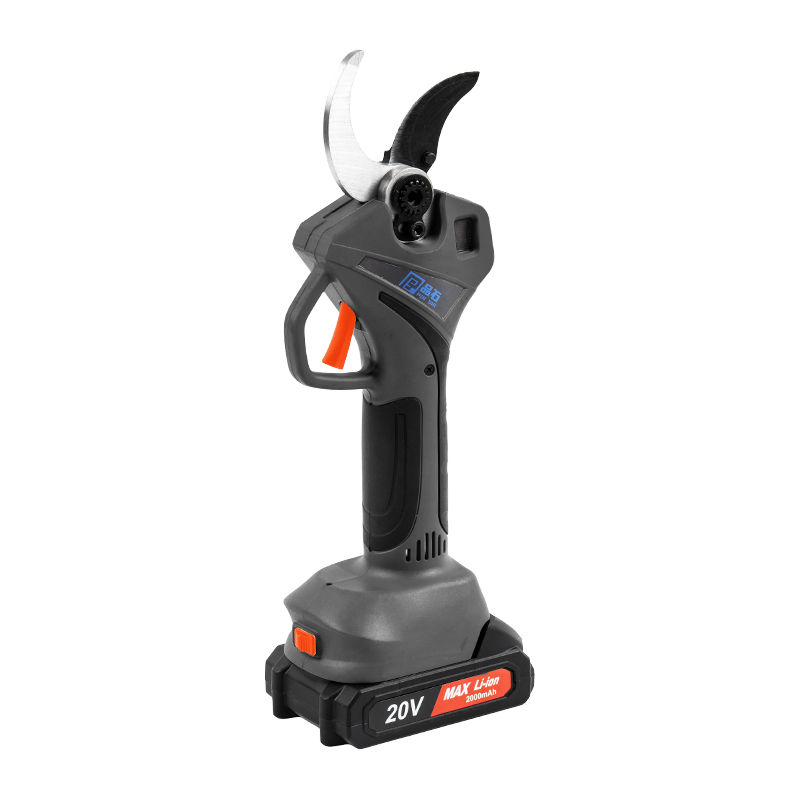
Voltaje 20V (CC) Capacidad de la batería 2,0 Ah/3,0 Ah/4,0 Ah Tipo de motor...
Leer más -
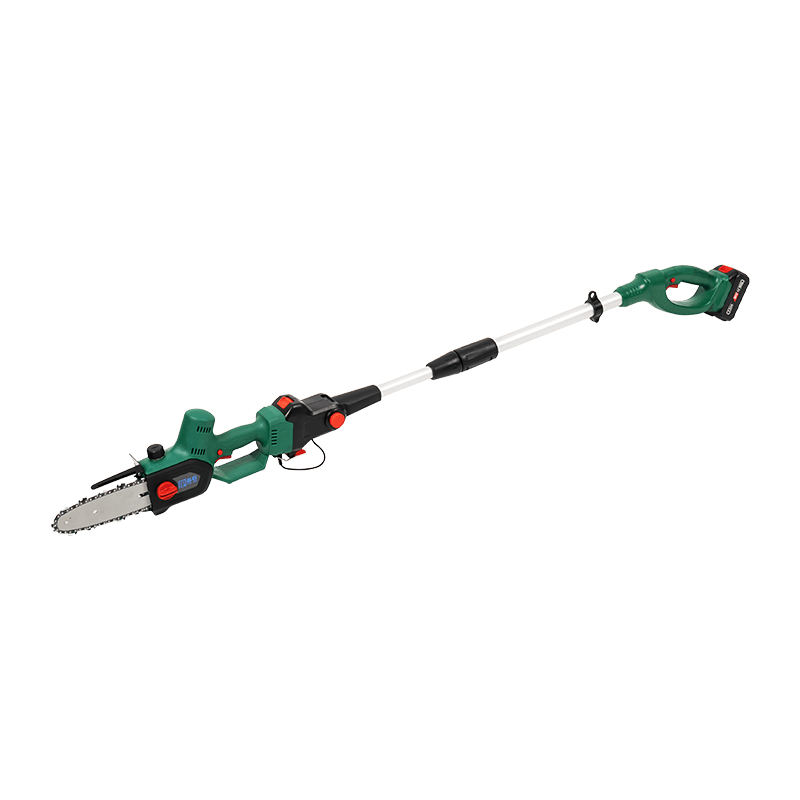
Velocidad constante Voltaje 20V (CC) Capacidad de la batería 4,0 Ah/6,0 Ah ...
Leer más
-
ENLACE
-
producto
-
Contacto rápido
-
 Building 1, Floor 1, Industrial Zone, Zhongyi Village, Guolin Town, Haishu District, Ningbo City, Zhejiang Province, China
 -
 +86-13906619096
 -
 Michael@chinashimu.com
-
MANTENERSE EN CONTACTO
Derecho de Autor © Ningbo Pinshi Electromechanical Co., Ltd.

Fábrica mayorista de herramientas eléctricas domésticas y de bricolaje