
 English
 русский
 Español
Arranque suave Voltaje 20V (CC) Capacidad de la batería 2,0 Ah ...
Leer más-
Sierra eléctrica para carpintería
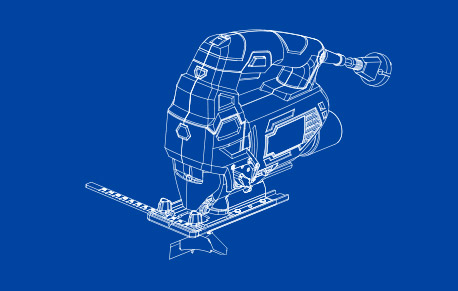
-
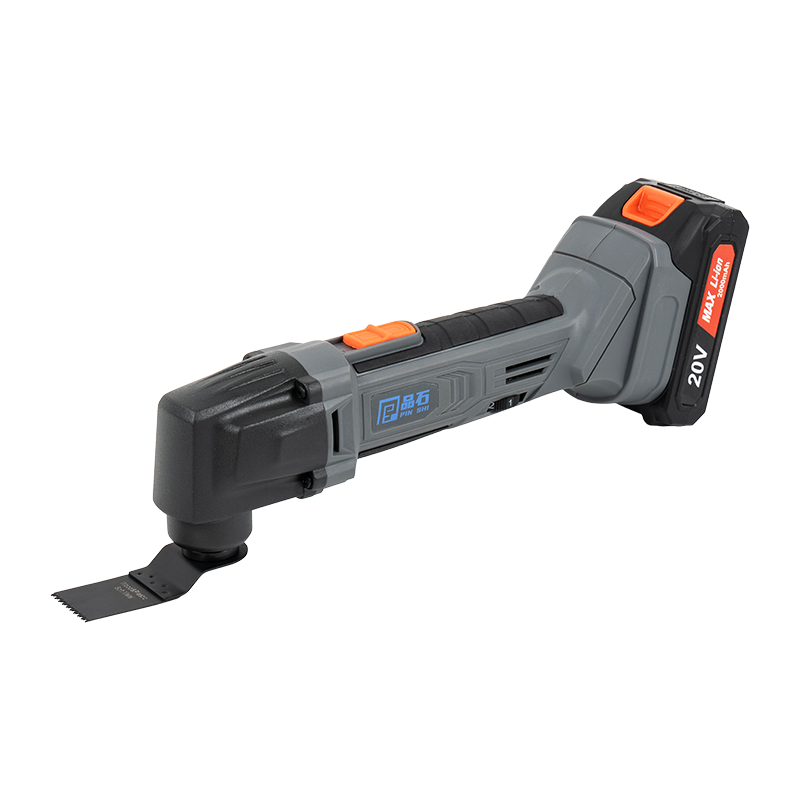
Sierra oscilante multifuncional
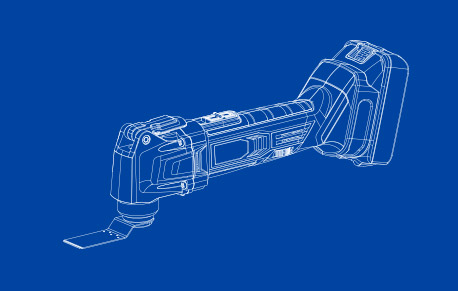
-
Taladro eléctrico
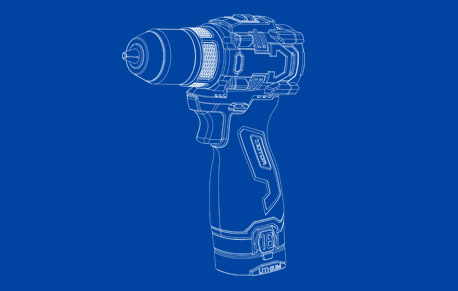
-
Taladro de martillo giratorio
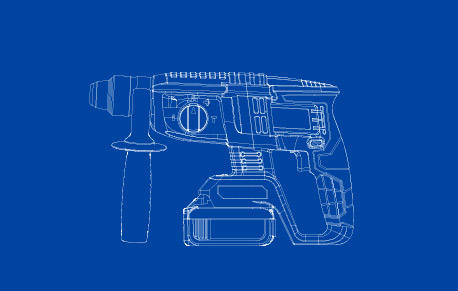
-
Llave de impacto
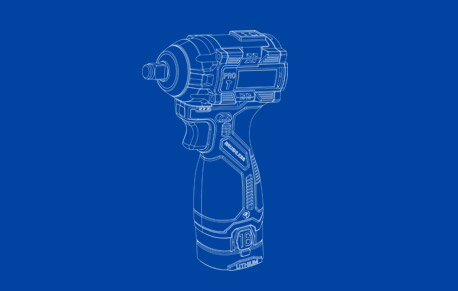
-
Destornillador eléctrico
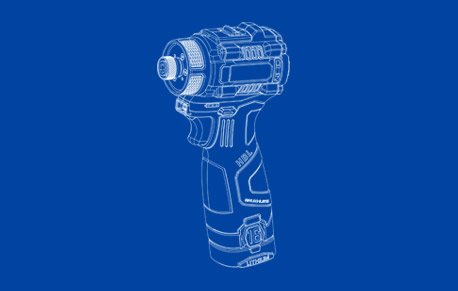
-
Molinillo angular
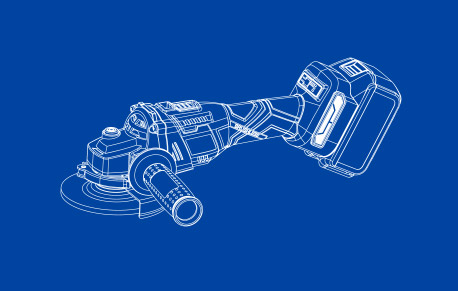
-
Lavadora a presión de mano
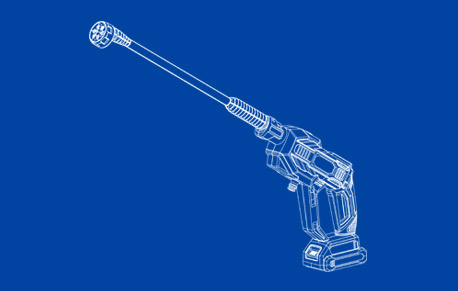
-
Cortadora de césped de mano
-
Soplador turbojet de litio
-
Tijeras de podar eléctricas
-
Sierra de cadena de litio
-
Cultivador de cultivador portátil
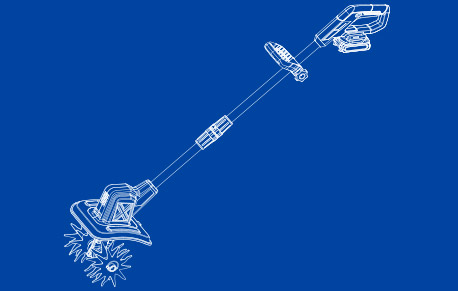
-
Dispositivos de riego de plantas
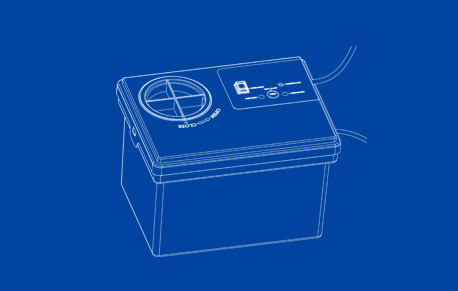
-
Bomba de aire
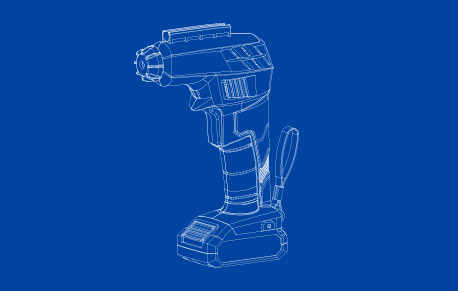

Autor: administración Fecha: 26-08-25
Types of Drills Explained: How to Choose the Right Drill for Every Job Type
Ask ten tradespeople what a drill is, and you will get ten different answers. The word now covers compact electric screwdrivers, high-torque rotary hammers, and everything in between. The shortest path to a correct purchase is to match the drill type to the hardest material and the most common fastening job you face, not to the largest number on the box. In most households, that means a drill driver. In a workshop or on a jobsite, it usually means two or three complementary machines.
The Drill Driver Is the Baseline Tool
Drill drivers are the most common type of drill, and for good reason. They rotate a round-shank bit at adjustable speed, use a keyless chuck, and suit timber, plywood, plastic, drywall, and mild steel up to a sensible bit size. If you are mounting shelves, assembling flat-pack furniture, or installing hardware, this is the tool the job calls for. A single-gear model keeps operation simple, while a two-speed gearbox offers a low range for large-diameter bits and a high range for quick drilling in softer materials.
The clutch on a drill driver is a practical feature: it disengages the drive once a preset torque is reached, so you do not overdrive screws into softwood or sink them into trim. Many cordless drill drivers double as screwdrivers when the clutch is set, removing the need for a separate machine in light assembly. For general property maintenance, a compact 16V cordless drill with two speed stages and an adjustable clutch handles the great majority of daily work without the weight of a larger unit. When the same tool must also cut holes in brick or block occasionally, you move up to a hammer drill.
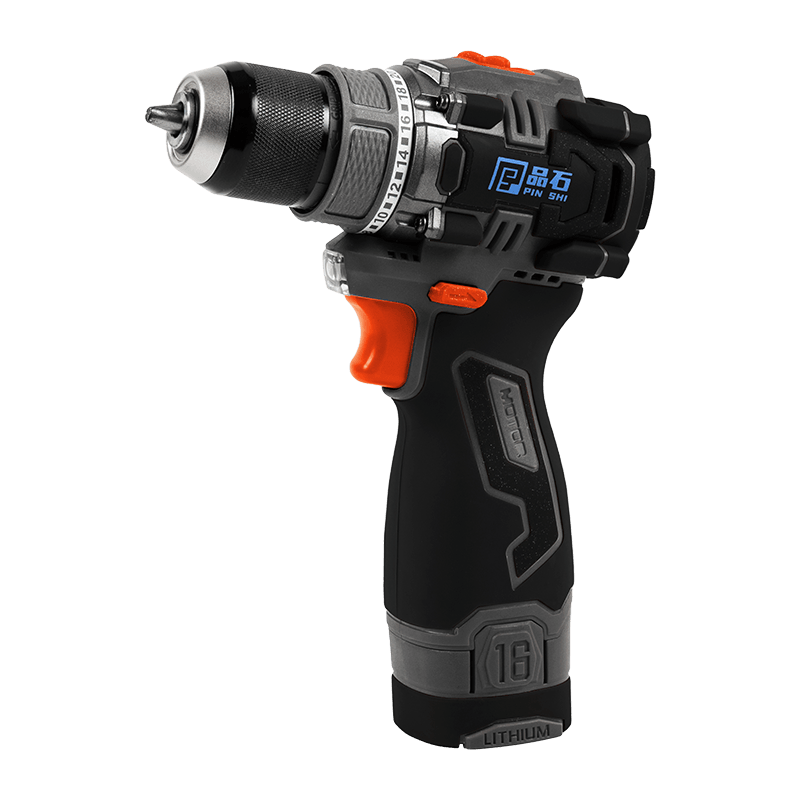 Wholesale 16V Cordless Drill Suppliers, Factory - Ningbo Pinshi Electromechanica Ningbo Pinshi Electromechanical Co., Ltd. is China wholesale 16V Cordless Drill suppliers and factory, Voltage 16V (DC) Battery ... View Product →
 Hammer Drills and Impact Drills Add Masonry Capability
Hammer drills, also labelled impact drills in some markets, add a hammering action to rotation. As the chuck spins, an internal mechanism delivers rapid axial blows that fracture the surface in front of the bit tip while the flutes pull debris out. This combination makes them effective for brick, block, and light concrete, and most cordless hammer drills let you switch off the hammer mode for standard drilling. The distinction between a hammer drill and an impact driver needs care: an impact driver is a screwdriving tool with rotational impacts, while a hammer drill keeps a conventional chuck and drills holes.
For most users, a hammer drill is the first upgrade from a plain drill driver. The change is visible in everyday tasks: hanging a shelf on a masonry wall no longer requires a separate corded machine or a trip to a professional. A brushless motor improves runtime and keeps the tool compact, which is why models such as the 20V brushless impact drill have become a standard choice for mixed drilling and driving work around the house.
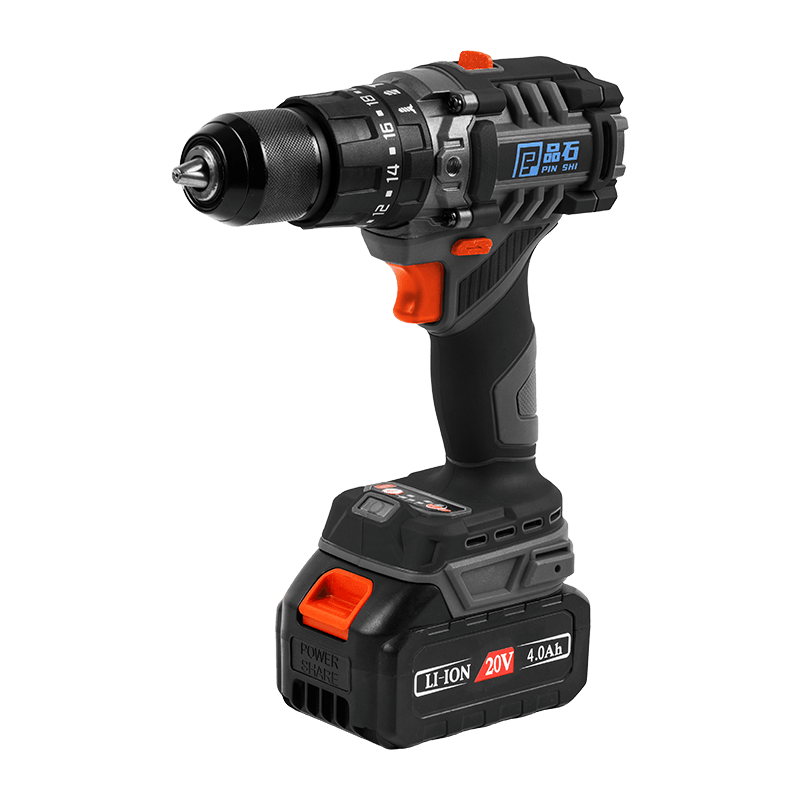 Wholesale 20V Brushless Impact Drill Suppliers, Factory - Ningbo Pinshi Electrom Ningbo Pinshi Electromechanical Co., Ltd. is China wholesale 20V Brushless Impact Drill suppliers and factory, With pulse and anti-twi... View Product →
 Rotary Hammers Handle Reinforced Concrete
When the task moves beyond occasional anchor holes, a rotary hammer is the proper type of drill. The key difference is in the mechanism: instead of a hammer-action chuck, a rotary hammer uses a piston-driven pneumatic hammering system with an SDS chuck that allows the bit to move axially inside the tool. That arrangement transfers far more impact energy to the bit, so drilling depth in concrete and masonry increases dramatically.
Rotary hammers also include a rotation-stop mode for chiseling, which is useful for light demolition, chasing cable channels, and removing tile. The trade-off is weight and cost, so most users reserve them for regular masonry work. For contractors and serious homeowners, a cordless rotary hammer removes the need for a generator and delivers solid performance through a full day of anchor installation. The 20V lithium rotary hammer drill is a practical example of a machine that keeps SDS convenience in a battery format.
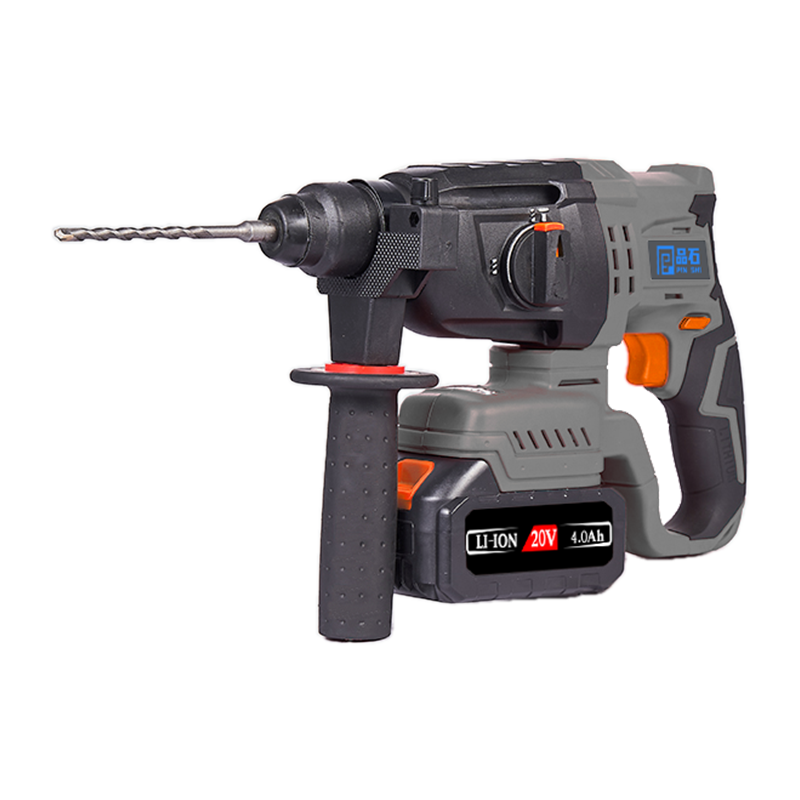 Wholesale 20V Li-ion Rotary Hammer Drill Suppliers, Factory - Ningbo Pinshi Ele Ningbo Pinshi Electromechanical Co., Ltd. is China wholesale 20V Li-ion Rotary Hammer Drill suppliers and factory, Voltage 20V (DC)... View Product →
 Impact Drivers and Wrenches Serve Fastening, Not Drilling
An impact driver is often grouped with drills, but it is a fastening tool rather than a hole-making tool. It uses a 1/4-inch hex collet instead of a chuck, so it accepts screwdriver bits and hex-shank driver bits, and it delivers rotational impacts when resistance is high. This makes it far better than a drill driver at driving long screws into dense wood and at removing stubborn screws, while reducing the torque reaction felt in your hands. It is a poor choice for clean round-hole drilling, because hex-shank bits are limited and the impact action is designed for screws rather than cutting.
If your work also includes heavy bolting on machinery, vehicles, or steel structures, an impact wrench applies the same impact principle with a square drive and much higher torque. Torque rating, socket size, and detent or pin retention matter a lot at that level, and the 2026 guide to choosing an impact wrench walks through the figures that actually matter on a jobsite. For most homeowners, the impact driver alone is enough; for mechanics and installers, the wrench is the tool that replaces the breaker bar.
Corded or Cordless: What Voltage Tells You
Power source separates drills into two broad families. Corded drills offer unlimited runtime and consistent speed, and they remain popular for bench drilling, fixed workshop installations, and jobs where a battery would drain before noon. Cordless drills dominate site work and remote locations because they travel well and eliminate extension leads.
Within cordless tools, the voltage platform counts more than the brand name: 8V and 12V machines are light assembly tools; 16V models cover everyday drilling and driving; 20V brushless designs add motor feedback, longer runtime, and more torque per charge. A 20V platform is also convenient when the same battery fits multiple tools, from circular saws to angle grinders, so adding a second bare tool stays affordable. If you are building a kit, start with a 20V drill and a compact charger, then add machines that share that battery system.
Matching the Drill Type to the Job
Each drill type exists because a real field condition demands it. A drill driver wins on wood and metal. A hammer or impact drill adds masonry capability. A rotary hammer handles heavy concrete and chiseling. An impact driver or wrench handles fastening. An electric screwdriver covers very light, repetitive screwing where a full-size drill is unnecessarily heavy. The table below condenses the main differences.
| Type | Best for | Tooling | Typical power |
|---|---|---|---|
| Drill driver | Wood, metal, plastic holes; screwdriving | Keyless chuck, round-shank bits | 8V-20V cordless; 400-1200W corded |
| Hammer / impact drill | Brick, block, light concrete | Keyless chuck, masonry bits | 16V-20V cordless |
| Rotary hammer | Heavy concrete, reinforced concrete, chiseling | SDS-Plus or SDS-Max bits | 20V cordless or corded |
| Impact driver | Long screws, bolts, general fastening | 1/4-inch hex collet | 12V-20V cordless |
| Electric screwdriver | Light assembly, electronics, furniture | Short chuck with hex bits | 4V-8V cordless |
The practical selection rule is to buy for your hardest material, not for your most frequent job. If you drill into concrete monthly, a rotary hammer is justified even though most of your holes are in wood. If concrete appears twice a year, a hammer drill with good masonry bits is a better balance of weight, cost, and capability. For anyone who primarily works with timber, a drill driver plus a set of sharp bits covers an immense range of projects.
Specialty machines such as core drill rigs and earth augers serve narrow commercial jobs and are rarely justified in a general toolkit, so they do not appear in the comparison above. Bit quality changes the outcome as much as the drill type. A sharp masonry bit in a moderate hammer drill will outperform a dull bit in an expensive rotary hammer. The same logic applies to wood: brad-point or spade bits reduce splintering, and HSS twist bits handle metal without burning.
Understanding drill types is not about memorizing category names. It is about recognizing that each machine is optimized for a specific material and motion. Start with a drill driver if you need an all-round hole maker, add a hammer drill for masonry, and consider an impact wrench when threaded fasteners become part of your routine. The right combination is smaller than you think, and it will last longer because each tool stays inside its working range. Browse the drill and rotary hammer lineup to see how these types translate into specific voltage and motor options.

-
Comentario
Productos relacionados
-
-
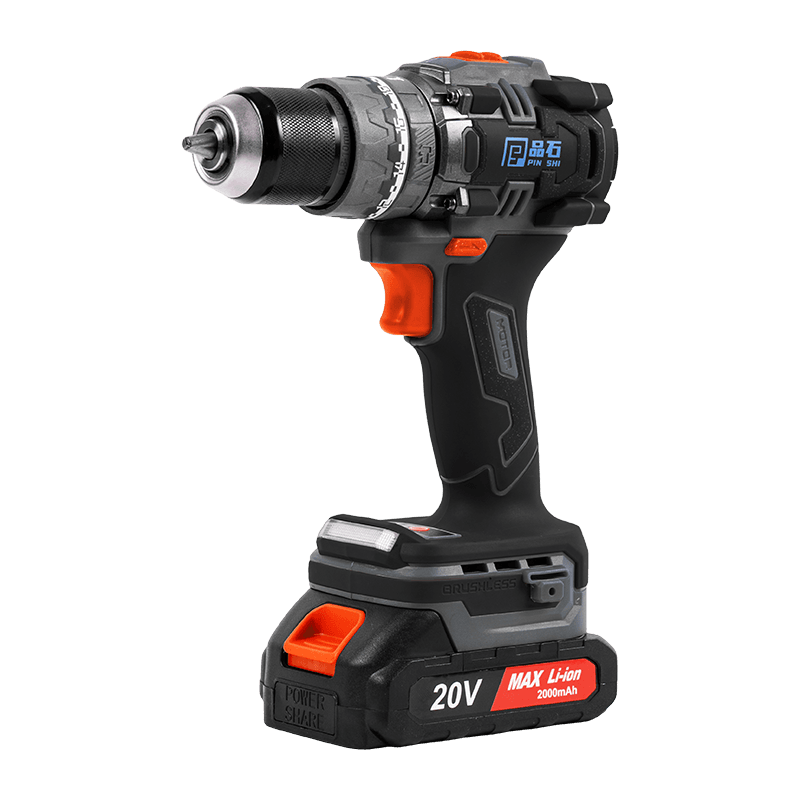
Voltaje 20V (CC) Capacidad de la batería 1,5 Ah/2,0 Ah Tipo de motor ...
Leer más -
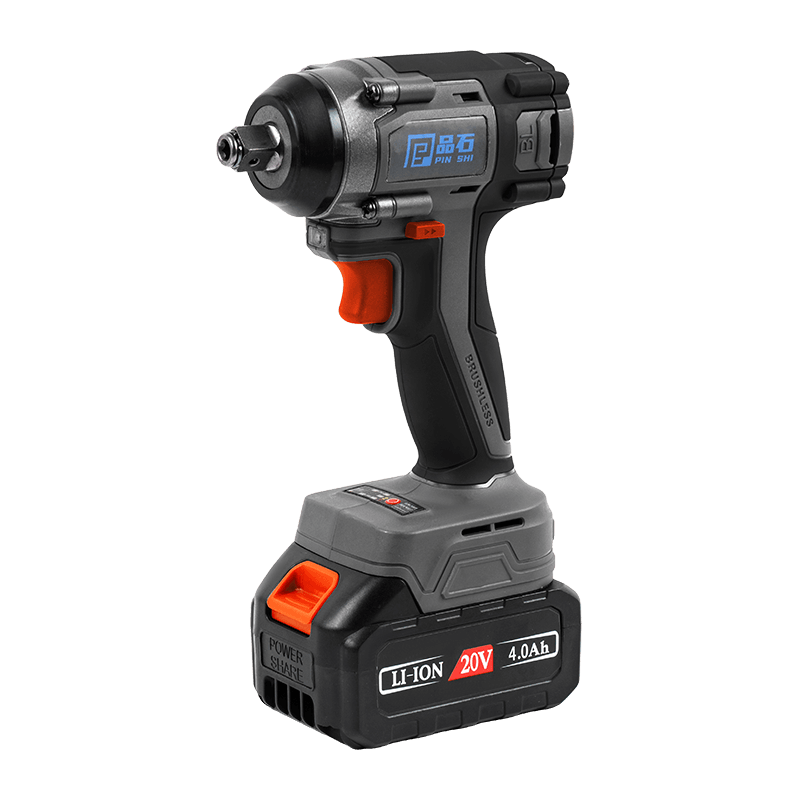
Voltaje 20V (CC) Capacidad de la batería 2,0 Ah/3,0 Ah Tipo de motor ...
Leer más -
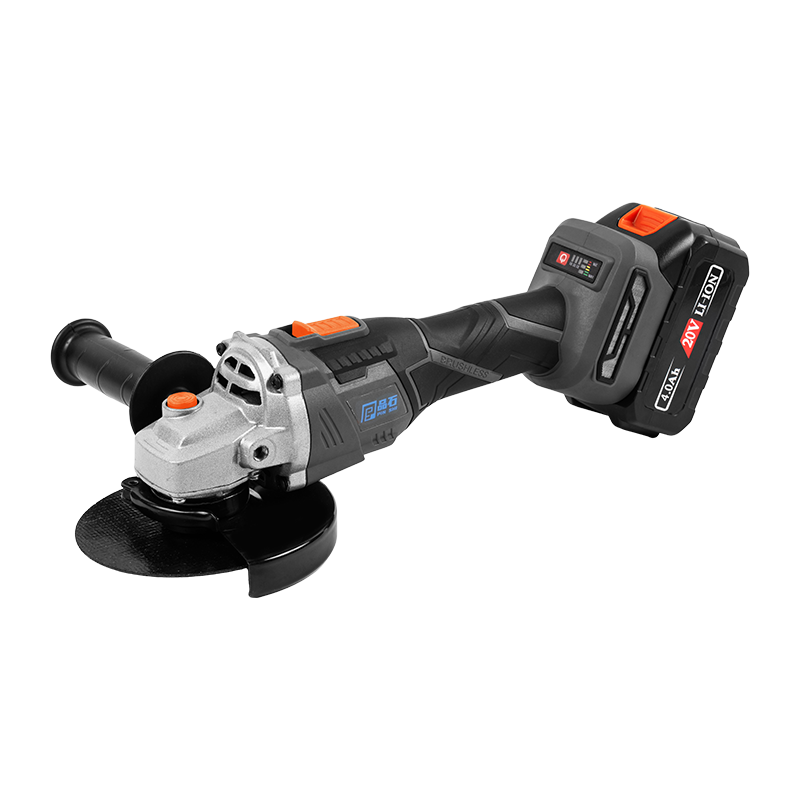
Voltaje 20V (CC) Capacidad de la batería 3,0 Ah/4,0 Ah Tipo de motor ...
Leer más -
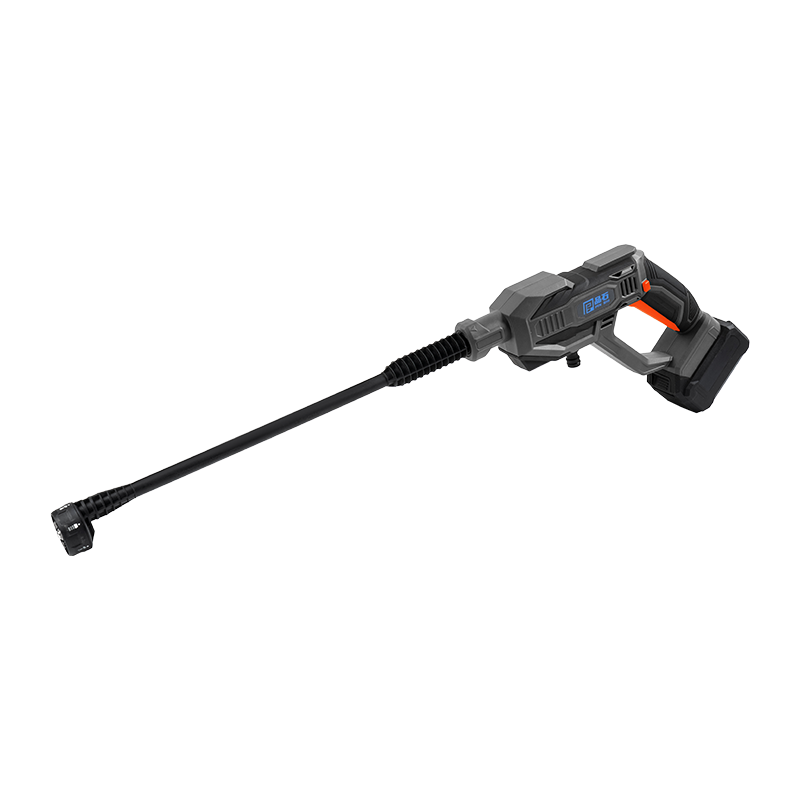
Voltaje 20V (CC) Capacidad de la batería 2,0 Ah/3,0 Ah/4,0 Ah Tipo de motor...
Leer más -
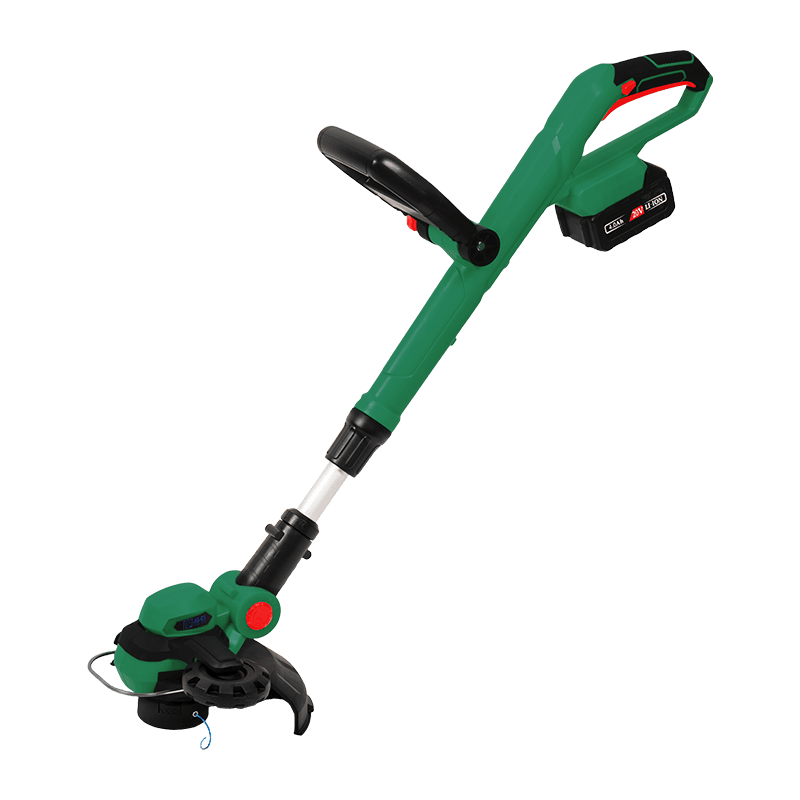
Voltaje 20V (CC) Capacidad de la batería 2,0 Ah/3,0 Ah/4,0 Ah Tipo de motor...
Leer más -
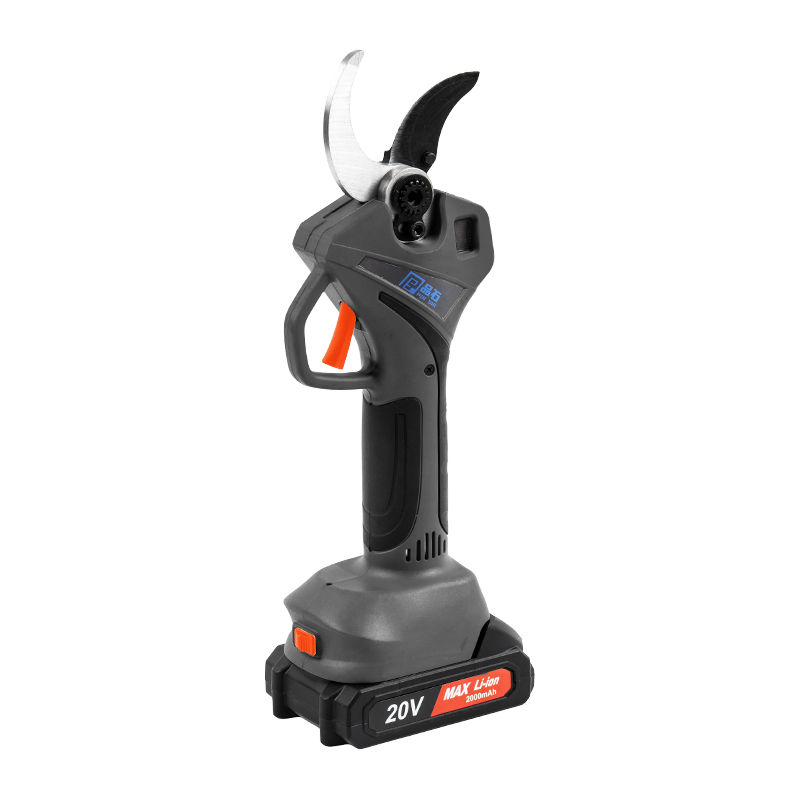
Voltaje 20V (CC) Capacidad de la batería 2,0 Ah/3,0 Ah/4,0 Ah Tipo de motor...
Leer más -
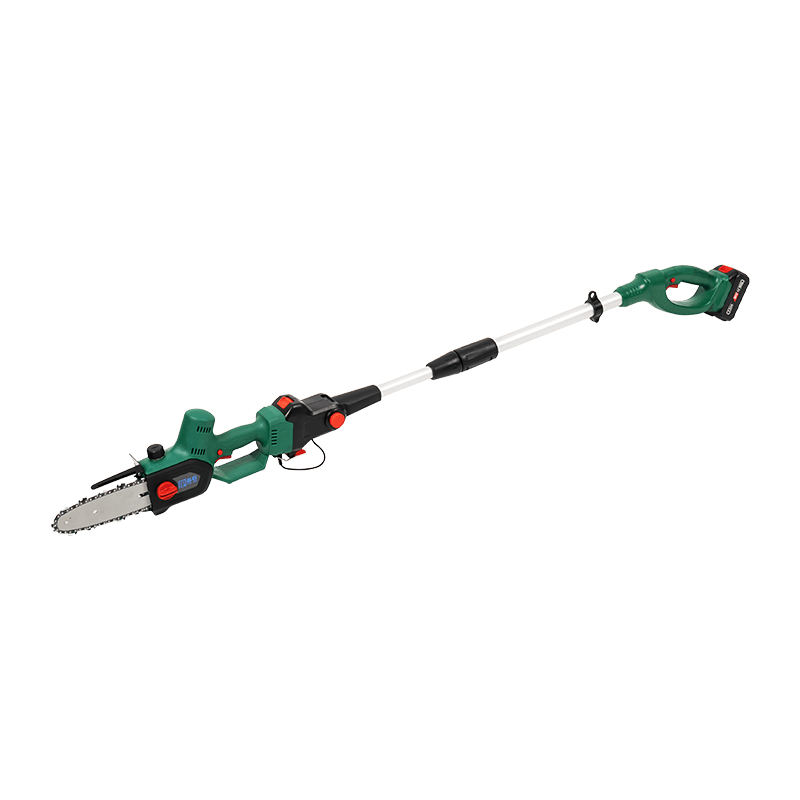
Velocidad constante Voltaje 20V (CC) Capacidad de la batería 4,0 Ah/6,0 Ah ...
Leer más
-
ENLACE
-
producto
-
Contacto rápido
-
 Building 1, Floor 1, Industrial Zone, Zhongyi Village, Guolin Town, Haishu District, Ningbo City, Zhejiang Province, China
 -
 +86-13906619096
 -
 Michael@chinashimu.com
-
MANTENERSE EN CONTACTO
Derecho de Autor © Ningbo Pinshi Electromechanical Co., Ltd.

Fábrica mayorista de herramientas eléctricas domésticas y de bricolaje